The Benefits of Customized Shredder Blades for Unique Materials
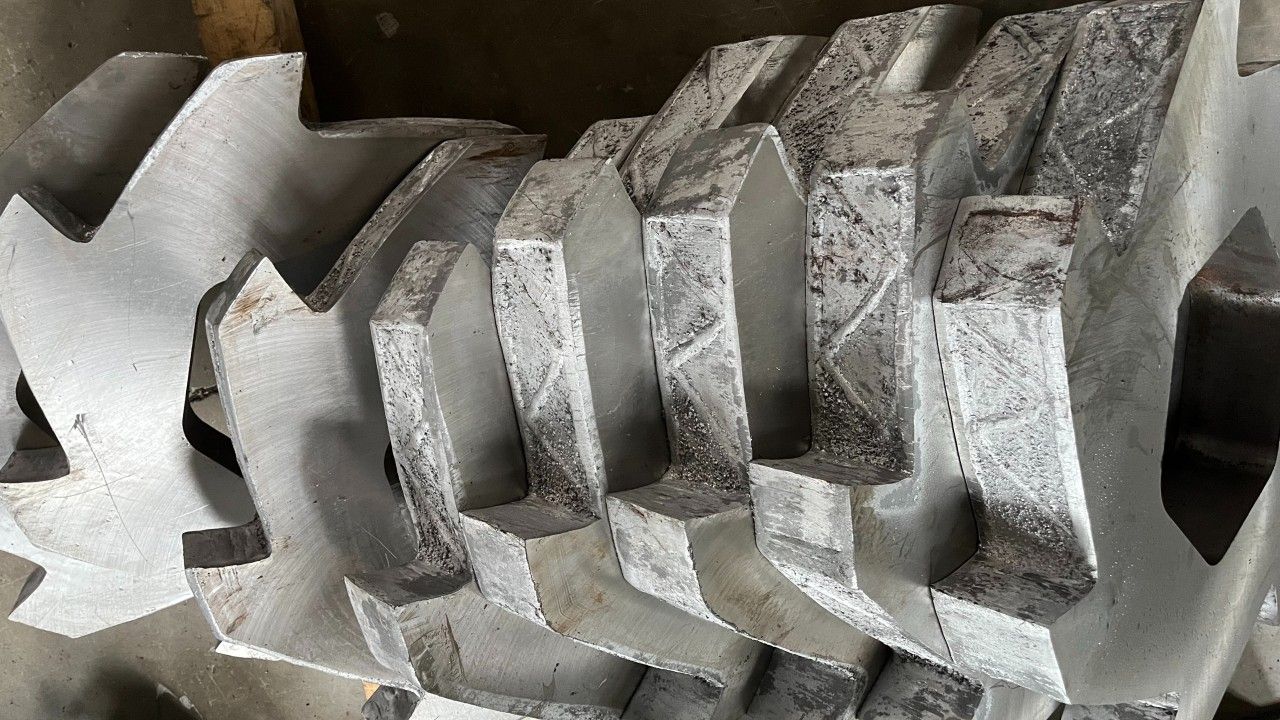
Industrial shredding processes are also known to work with materials that have very different hardness, density, shape, and composition. No standard shredding solution is universal, as there are plastic films, wood waste, metals, electronic scrap, and medical waste. That is where tailor-made shredder blades are of great importance. Customized shredder blades, such as paper shredder blades, are designed to fit a given material behavior, processing need, and provide quantifiable performance, life, and operational efficiency.
Addressing the Challenges of Unique Materials
General-purpose standard shredder blades are generally designed to be used in general-purpose applications. They can work satisfactorily in standard duty, but can fail with abrasive, unusual and fibrous materials or mixed materials. The unique materials may lead to uneven wear, frequent blade failure, clogging, or a change in the size of output. The challenges not only lower the productivity but also contribute to higher maintenance costs and downtime of the machines.
Special blades of shredders are designed to combat these problems directly. The manufacturers can control the operation of the blade, the process of shredding and the success of the blade by fixing a blade geometry, thickness, cutting angle and material composition to the particular material that is being processed. This focused treatment enables the shredders to deal with the challenging materials without losing performance.
Improved Cutting Efficiency and Throughput
Among the major advantages of bespoke shredder blades, there is the enhanced cutting efficiency. When blades are formed with respect to hardness, toughness and structure of the material, they slice better with less resistance. This leads to an increase in processing speeds and uniformity of the size reduction of the material.
An illustration is that fibrous materials like clothes, paper or agricultural waste need blade designs that will encourage pulling and tearing as opposed to pure cutting. Stronger substances, such as metals or dense plastics, require stiffened blade edges and maximized shear angles. The personalization of the materials also makes sure that every material is cut with the most efficient cutting mechanism, and this will tremendously enhance the throughput.
Extended Blade Life and Reduced Wear
Wear of blades is a significant cost element in shredding in the industry. Cuts on tough or rough materials using standard blades tend to quickly sharpen, crack or deform. Special alloy steels, heat treatment, and hardness can be used to make customized shredder blades that can be better adapted to the wear requirements of the application.
With an appropriate choice of material structure and hardness ratio, bespoke blades provide better resistance to abrasion and impact without being brittle. This long blade life saves on the number of replacements and cuts short time loss and outage, leading to low long-term operating expenses.
Enhanced Machine Protection and Stability
Tailor-fitted shredder blades not only serve the purpose of enhancing the cutting process but also protect the shredding equipment. Mismatched blades may make the material resonate too much or may result in unequal loading or impulsive torque, stressing shafts, bearings, and drive mechanisms.
Material feeding is made smoother, and the cutting forces are more equally distributed when blades are specifically structured to meet the application. This enhances the stability of the machine, lowers the mechanical stress and prolongs the life of important parts. This will, in the long run, contribute to increased reliability of operation, as well as the reduction of expensive repairs.
Consistent Output Quality and Process Control
Several industries need to have accurate control of the shredded material size for the downstream process (sorting, recycling or reprocessing). The personalized shredder blades enable manufacturers to optimize cutting edges to produce a consistent particle size and an equal production.
This degree of control is particularly crucial during recycling processes when a uniform size of the material enhances better separation and quality of the products. The individualized blades are useful in ensuring that there are consistent outcomes, even when they deal with complex or mixed materials, to enable smoother connections with the following processing processes.
Supporting Specialized and Evolving Applications
With the development of industries, new materials and waste streams are appearing. Blades of the shredders are customized such that they offer flexibility to these changes. No matter what, when processing new composite materials, electronic waste, or individual industrial byproducts, there are tailored solutions to shredding systems, which can be effective without having to change the entire equipment.
This flexibility is what renders tailored shredder blades an effective investment in companies that are interested in long-term operation, as well as responding to market shifts promptly.
Conclusion
Tailored shredder blades have obvious benefits in handling special and difficult materials. They make shredding operations more productive by increasing the cutting efficiency, increasing the blade life, protecting equipment, and producing a consistent output quality. In industries that deal with special materials, personalized shredder blades are not only a step forward but also viable to attain effective, reliable, and sustainable performance.