The Liver Health Use Case for S-Adenosyl-L-Methionine Powder — Evidence and Formulation Angle
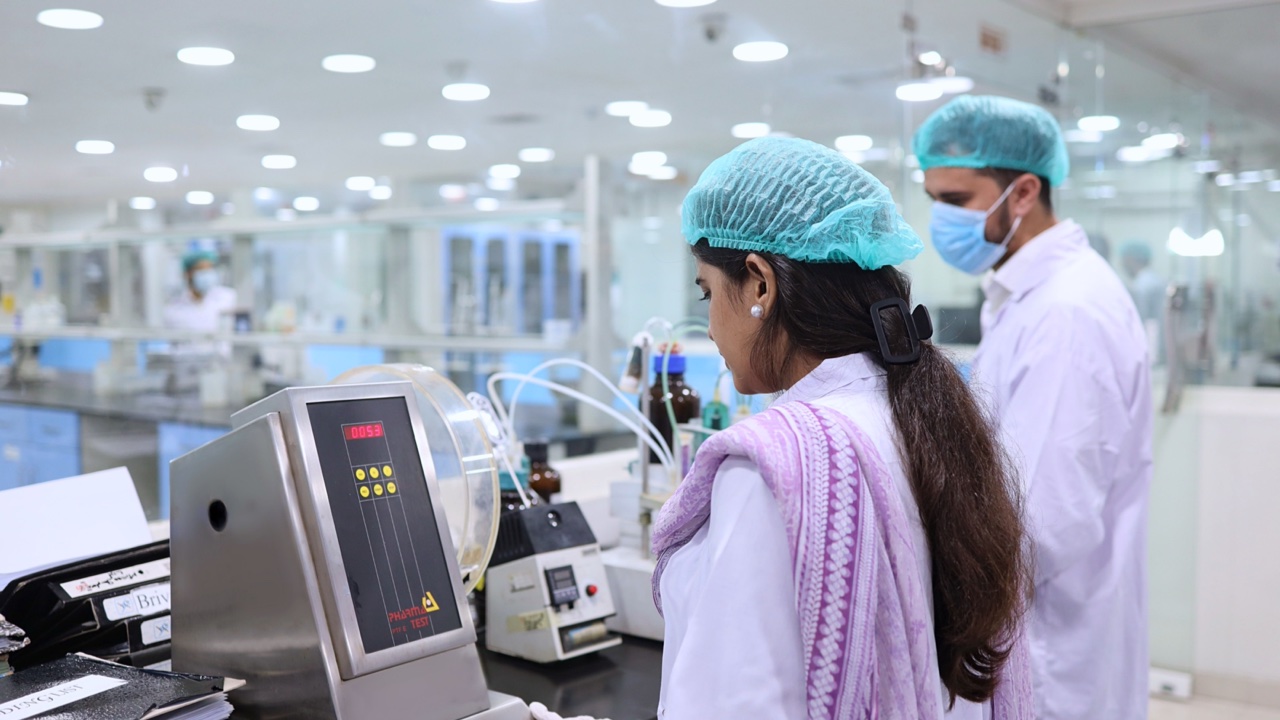
When supplement brands position SAMe for liver health, they’re drawing on a clinical evidence base that is more substantial and longer-standing than most people in the industry realize. The liver health application for s adenosyl l methionine powder has been studied in controlled trials since the 1970s, primarily in Europe where SAMe has drug status in several countries. Understanding the evidence — what it shows, what it doesn’t, and how to translate it into product positioning — is the starting point for formulating in this space responsibly.
Why the Liver Needs SAMe
The liver is the primary site of SAMe synthesis and consumption in the body. Roughly half of all methionine consumed daily is converted to SAMe in the liver, and the liver is the largest consumer of the SAMe it produces. SAMe participates in three major biochemical pathways in hepatic tissue:
Methylation reactions: SAMe is the primary methyl donor for hundreds of enzymatic reactions in the liver, including the methylation of phosphatidylethanolamine to phosphatidylcholine — the dominant phospholipid in hepatocyte cell membranes. When SAMe is depleted, membrane phospholipid composition shifts in ways that compromise membrane fluidity and hepatocyte function.
Transsulfuration: After donating its methyl group, SAMe is converted through a series of steps to cysteine, which feeds into glutathione synthesis. Glutathione is the liver’s primary antioxidant defense. Conditions that deplete SAMe — alcohol metabolism, liver disease, methionine deficiency — also deplete hepatic glutathione and increase oxidative damage.
Polyamine synthesis: SAMe is also the precursor for polyamines (putrescine, spermidine, spermine), which regulate cell proliferation and are important for hepatocyte regeneration after injury.
This biochemical centrality is why SAMe deficiency is consistently observed in various forms of liver disease, and why supplementation has been a logical therapeutic target.
What the Clinical Evidence Shows
The strongest clinical evidence for SAMe in liver health comes from two areas: alcoholic liver disease and intrahepatic cholestasis of pregnancy.
In alcoholic liver disease, a landmark trial published in the Journal of Hepatology (Mato et al., 1999) randomized 123 patients with alcoholic cirrhosis to SAMe or placebo for two years. The primary endpoint — mortality or liver transplantation — favored SAMe significantly when the subgroup analysis excluded the most severely ill patients (Child-Pugh C). The proposed mechanism is restoration of hepatic SAMe levels that are severely depleted in alcoholic liver disease, with downstream effects on glutathione synthesis and membrane integrity.
For intrahepatic cholestasis of pregnancy — a condition involving bile acid accumulation and liver dysfunction during pregnancy — SAMe has been studied in multiple small trials showing significant reductions in serum bile acid levels and improvement in liver enzyme markers compared to placebo. This application has regulatory approval in several European countries.
The evidence for non-alcoholic fatty liver disease (NAFLD) is more limited and more mixed. Some trials show improvements in liver enzyme markers (ALT, AST); effects on histological markers of disease (hepatocyte fat content, fibrosis) are less consistent. This is an area where the research is ongoing and the product positioning should be appropriately measured.
Dose and Format Considerations for Liver Health Products
The doses used in clinical trials for liver health applications are higher than what’s typically found in general wellness SAMe supplements. The alcoholic liver disease trial used 1200mg per day of SAMe disulfate tosylate (equivalent to approximately 400mg of SAMe free base per dose, three times daily). The intrahepatic cholestasis trials typically used 800mg to 1600mg of SAMe salt per day.
These doses pose a real formulation challenge. At 1200mg of SAMe salt per day across three doses, you’re looking at 400mg per capsule of a dense, hygroscopic powder that requires enteric coating to survive gastric acid. SAMe is degraded in the stomach — enteric coating is not optional for oral SAMe products; it’s the difference between delivering intact molecule to the small intestine and delivering degraded material that misses the therapeutic window. All clinical trials that showed efficacy used enteric-coated oral forms.
For a liver health positioning at clinical-relevant doses, the practical format is enteric-coated tablets or enteric-coated hard capsules, with packaging in moisture-barrier blister packs or foil sachets. A simple hard capsule without enteric protection will not replicate the bioavailability of the trial formulations, regardless of how high the labeled dose is.
Positioning the Product
SAMe’s position in liver health is distinct from the more common liver support ingredients like milk thistle (silymarin) and TUDCA. Those ingredients work primarily as antioxidants and bile acid regulators; SAMe addresses the upstream methyl-donor depletion that underlies multiple aspects of hepatic dysfunction in specific disease states.
The most defensible positioning for a SAMe liver health product draws on the specific clinical populations where the evidence is strongest — alcohol-related liver stress and methyl-donor depletion — rather than general liver detox claims that have weak evidence regardless of ingredient. A product targeting people who drink regularly, people with known elevated liver enzymes, or people who are methyl-depleted for dietary reasons has a coherent story that the evidence supports.